
Exploring innovative elements shaping modern casino design trends
Exploring innovative elements shaping modern casino design trends
Integrating Technology into Casino Spaces
In recent years, the integration of technology into casino design has transformed the gaming experience. Cutting-edge technologies such as augmented reality (AR) and virtual reality (VR) are redefining how players interact with games. Casinos are now creating immersive environments where players can engage with digital elements overlaying the physical space, enhancing their overall experience. This not only attracts a younger demographic but also elevates the traditional gaming experience into a multi-sensory adventure. For example, you can explore options like petallodgeholidaylet.co.uk to find unique attractions around these establishments.
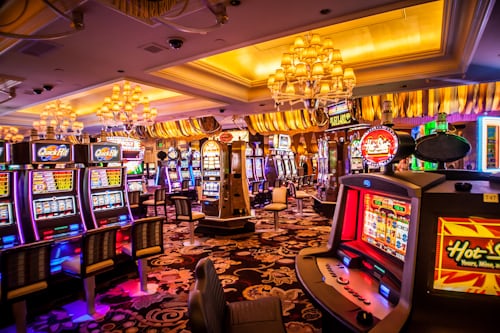
Moreover, casinos are increasingly utilizing advanced data analytics to tailor the gaming environment to player preferences. By analyzing customer behavior, casinos can create personalized experiences that cater to individual tastes. For instance, based on a player’s gaming history, a casino can recommend specific games or even adjust the ambiance of an area, such as lighting and music, to create a more inviting atmosphere. This level of personalization is becoming a key element in modern casino design.
Additionally, incorporating technology into casino design extends to payment solutions. The advent of cryptocurrency and mobile payments has prompted casinos to rethink their transaction processes. Modern designs now feature seamless payment options that are quick and efficient, allowing players to focus on enjoying their time rather than waiting in lines. As these technologies continue to evolve, they will further shape the way casinos operate and enhance the overall experience for guests.
Sustainable Design Practices in Casinos
The push for sustainability is increasingly influencing modern casino design. Environmental consciousness is no longer an afterthought; rather, it is becoming a fundamental aspect of architectural planning. Many casinos are adopting energy-efficient technologies, such as solar panels and smart lighting systems, to minimize their carbon footprints. This shift not only benefits the environment but also reduces operational costs, aligning with the financial interests of casino owners.
Furthermore, sustainable design practices include the use of recycled materials in construction and furnishings. Casinos are increasingly sourcing local materials to reduce transportation emissions and support regional economies. Incorporating greenery, such as indoor gardens or green walls, enhances aesthetics while improving air quality. These design elements create a more inviting atmosphere and demonstrate a commitment to eco-friendly practices, appealing to a conscientious audience.
Beyond construction, sustainable practices also extend to operations, with many casinos implementing waste reduction strategies and water conservation measures. By promoting these initiatives, casinos not only fulfill their corporate social responsibilities but also attract a new clientele that values sustainable choices. This alignment with modern values is becoming crucial for maintaining relevance in a competitive market.
The Role of Aesthetic Innovations
Aesthetic innovations are playing a vital role in shaping the modern casino landscape. Designers are increasingly experimenting with bold colors, unique textures, and contemporary art to create visually striking environments. The focus is on providing a memorable experience that appeals to the senses, enhancing the emotional connection players have with the space. This artistic approach goes beyond mere aesthetics; it creates a thematic narrative that can engage visitors on multiple levels.
Moreover, the design elements are often tailored to reflect local culture, history, or geographic features. By incorporating local art and design motifs, casinos can create a sense of place that resonates with both locals and tourists. This customization fosters a connection to the community while also providing an authentic experience that stands out in a crowded market. Each casino strives to tell a unique story through its design, enhancing the allure of the space.
Lighting also plays a critical role in aesthetic innovations within casinos. Creative lighting techniques can alter the mood and ambiance of the gaming floor, directing attention to specific areas and enhancing the overall experience. By leveraging dynamic lighting systems, casinos can create immersive environments that adapt to different events or times of the day, continuously engaging visitors and keeping the atmosphere lively and inviting.
Community-Centric Casino Design
Modern casino design is increasingly focused on community engagement, aiming to create spaces that cater not only to gamers but also to the broader public. This shift is evident in the inclusion of non-gaming amenities such as theaters, restaurants, and shopping areas within the casino complex. These elements serve to attract diverse crowds, turning casinos into multi-purpose entertainment hubs rather than just gaming establishments.
In addition, community-centric designs prioritize accessibility and inclusivity. Casinos are implementing features that cater to individuals with disabilities, ensuring that everyone can enjoy the facilities. This commitment to inclusivity not only reflects social responsibility but also expands the customer base, promoting a welcoming environment for all. By embracing community values, casinos can enhance their reputations and foster loyal patronage.
Furthermore, integrating spaces for social interaction can enhance the overall experience, encouraging guests to stay longer and return more frequently. Outdoor terraces, lounge areas, and event spaces are being designed to facilitate gatherings, creating a vibrant social scene. This focus on community interaction aligns with the evolving expectations of modern visitors, making casinos a vital part of local culture and entertainment.

Conclusion and Future Insights
The evolution of casino design reflects broader societal trends, with technology, sustainability, aesthetics, and community focus shaping modern spaces. As these innovative elements continue to gain traction, casinos must remain adaptable and forward-thinking to meet the changing needs of their clientele. The incorporation of technology not only enhances the gaming experience but also drives operational efficiency, while sustainable practices resonate with an environmentally conscious audience.
Moreover, aesthetic innovations and community-centric designs create engaging environments that appeal to a diverse array of visitors. As casinos evolve into multi-purpose entertainment centers, they must continue to foster connections with both local communities and tourists. The future of casino design holds exciting possibilities, ensuring that these establishments remain relevant and appealing in an ever-changing landscape.